Office Clearance in Alperton

Office clearance in Alperton needs to be practical, organised and suited to the contents being removed. Our service covers the collection and clearing of office furniture, storage items, paperwork for disposal, fixtures and mixed workplace waste, with the aim of leaving the area ready for its next use. For businesses, landlords and managing agents, that can mean clearing a single room, a suite of rooms or a larger commercial unit without turning the process into a long interruption.
We handle clearances where the contents are still mixed together after a move, refurbishment, closure or general reorganising. That can include desks, chairs, filing cabinets, shelving, monitors, boxed items and redundant small equipment. If you need to request a quotation, the quickest way to move forward is to share a clear description of the space and the items involved. You can also review our pricing and quotes page for a straightforward overview of how estimates are approached.
Because office clearance often involves several kinds of material in one place, the work benefits from a tidy plan rather than a rushed lift-and-go approach. One collection may be mostly reusable furniture, while another may include heavier fixtures, assorted office waste and items that need separating for responsible disposal. If you want to talk through your office clearance in Alperton, ask for a quote today and we can help you shape the job around the space, the access and the amount to be removed.
Workspaces, furnishings and general office contents
Office clearance is often about more than simply removing items from a room. Different pieces of office furniture have different sizes, weights and handling needs, and that affects the order in which the work is done. Desks, reception counters, cupboards and meeting tables can require careful movement through corridors, lifts or shared entrances, while lighter items such as office chairs or monitor stands may be grouped separately. A sensible clearance keeps these categories organised so the job remains efficient and controlled.
It also helps to think in terms of what the room is used for next. A cleared office might need to be handed back to a landlord, prepared for a refurbishment team or reset for a new layout. That means the scope of the work can vary from taking away loose items only to removing a fuller mix of contents from the main working areas. When suitable, we can also support related internal services such as office clearance for a broader workplace clear-out and business waste removal for commercial waste streams that need regular or one-off handling.
In many office settings, the most useful approach is the simplest one: identify what should stay, what should go and what needs to be handled with extra care. Good separation at the start can save time later and reduce avoidable handling. If there are items you would like removed alongside the main furniture, such as old storage pieces or surplus equipment, those can usually be included within the same organised clearance rather than treated as separate, unrelated jobs.
How a workplace clearance is usually organised

The practical side of office clearance begins with understanding the size and shape of the premises. A compact office with a few rooms may be cleared differently from a larger floor with reception space, storage cupboards and back-room archive areas. Access routes matter too, especially where items must pass through narrow corridors, shared stairwells or security-controlled entrances. Planning around these points helps the clearance proceed in a sensible order rather than forcing everything into one awkward lift.
When preparing a quotation, the most useful details are usually the type of items, the approximate quantity and any access limits that may affect removal. A brief inventory is often enough to show whether the work is a lightweight internal clear-out or a fuller clearance involving heavier furniture and mixed contents. If you want to compare scope before deciding, our office clearance page sets out the main service in more detail, while the contact us page is the direct route for sending your enquiry.
For some customers, the job is straightforward because most items are already grouped together. For others, the office may contain a blend of left-behind storage, redundant furniture and loose waste that must be sorted before removal. Either way, the goal is to keep the work orderly and avoid unnecessary disturbance to neighbouring spaces. Clear information at the start makes it easier to produce a practical quotation and to schedule the clearance around how the premises are actually laid out.
Furniture, equipment and associated items
Office clearances frequently include furniture rather than waste alone. Desks and desk frames may need to be dismantled in part, while filing cabinets, shelving and storage units can be bulky enough to require planned movement. Chairs, conference furniture and reception items may also be part of the same removal, especially where an office is being emptied before a handover. The service is therefore best understood as a coordinated commercial clearance rather than a simple rubbish pick-up.
We can also handle items that sit alongside the main office furniture, such as boxed stationery, archived materials awaiting disposal, surplus office accessories and a mixture of general contents that have accumulated over time. Where a business is rationalising space, this can be a practical way to remove clutter without commissioning separate jobs for every category. If needed, related pages such as furniture clearance and furniture disposal explain the handling of furnishings in more detail.
Some office contents are best treated as part of a wider clear-out rather than as isolated items. For example, a disused meeting room may hold a table, several chairs, cupboards and miscellaneous stored materials, all of which need clearing in one coordinated visit. That approach keeps the workspace moving towards its next stage. If the building also has a storage area, the same planning can extend to that room so the clearance remains consistent from start to finish.
Additional rooms, storage and back-of-house spaces
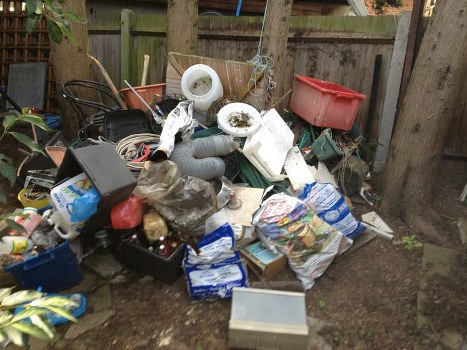
Office premises often include more than the main work area, and those extra spaces can be just as important in a clearance. Store rooms, copy rooms, server cupboards, reception back areas and archive spaces may contain accumulated items that are no longer required. These rooms often hold mixed contents that do not belong in the same category, so it helps to clear them in a steady order. Our service is designed to accommodate that kind of layered workplace removal.
Where offices have outgrown the available storage, the clearance may include boxed items, redundant supplies, broken chairs or old filing systems that have stayed on site longer than intended. In those cases, a wider site review can help decide whether the work needs to focus on the main office only or on several connected spaces. If you are planning a more general internal clear-out, our home clearance and house clearance pages are separate services for domestic settings, while the office service remains the right fit for commercial premises.
It is often useful to keep a simple list of what is definitely staying in place and what should be removed. That is not about making the job bureaucratic; it is about avoiding confusion when different people have used the same area over time. A tidy list, or even a few labelled groups of items, can help the clearance proceed smoothly. Small bits of preparation are usually enough to make the main work more orderly and to reduce the chance of leaving behind unwanted items.
About Alperton
Alperton is an area in the London Borough of Brent, in northwest London, and it sits close to the River Brent and the Grand Union Canal. Historically it developed from a small settlement into a more urban district shaped by transport links, industry and later redevelopment. The canal corridor is one of its most recognisable physical features, giving the area a long-running connection with London’s inland waterway network. Around the same corridor, stretches of warehousing, business premises and newer mixed-use development have sat alongside older residential streets, creating a layered local character rather than a single uniform centre. The name is also associated with Alperton tube station on the Piccadilly line, which has long provided a key rail link into central London and towards Heathrow. In the wider borough, the locality is not far from Wembley and the western side of the urban area, yet it retains its own identity through the mix of housing, canal-side routes and commercial plots. Nearby green spaces and riverside paths add a quieter edge to parts of the district, while the road network and rail connections keep it closely tied to the rest of outer London. The result is a place where older industrial traces, modern development and everyday neighbourhood life sit side by side.
Clearances for relocations, refurbishments and handovers

Many office clearances are tied to a bigger change: a relocation, a refurbishment or a final handover at the end of a tenancy. In those situations, the main question is often how to empty the rooms without losing time to repeated lifting or disorganised sorting. The clearance needs to be practical enough to suit the schedule of the wider project, but flexible enough to handle the contents that turn up once cupboards, side rooms and storage areas are opened. That is why a clear scope matters from the outset.
Where the premises are changing hands, the work may involve removing left-behind furniture, redundant fixtures and general office contents so the space can be passed on in a cleaner condition. Where a refurbishment is planned, the clearance may come first so contractors can begin without obstruction. If you want a broader picture of the commercial services available, the business waste removal page explains another useful option, while the waste removal page covers general removal work in a more everyday sense.
For a quotation, it is usually enough to say what type of premises you have, what is going, and whether there are access constraints such as stairs, lifts or timed entry. Two or three clear details are often more helpful than a long description. Send the essentials first, and then add any information that could change how the clearance is carried out. That gives a practical basis for pricing and avoids unnecessary back-and-forth.
Contents that may need extra attention
Not every item in an office can be treated in exactly the same way. Some furnishings are heavy and awkward, others are delicate, and some items may need careful separation from the rest of the clearance. Office clearances can therefore benefit from a sensible order of work, beginning with bulky furniture and ending with smaller loose materials. This helps prevent clutter from being moved more than once and keeps the rooms usable while the job progresses.
In mixed office spaces, the clearance may also involve items from storage cupboards, drawers, communal areas or outbuildings attached to the workplace. A complete commercial clear-out often works best when those supporting spaces are treated as part of the same project rather than as an afterthought. For information related to specialist item types, our garage clearance and loft clearance pages show how different spaces can be approached when contents are accumulated in harder-to-use areas.
The important point is not that every office contains the same sort of material, but that each site tends to have its own pattern of furniture, paperwork, storage and miscellaneous items. That means a good clearance is shaped around what is actually present on the day. If the office contains a little of everything, the service should remain calm, methodical and efficient rather than trying to force every item into one category. That is often the difference between a workable clear-out and a disruptive one.
Pricing factors and quotation details

Office clearance pricing usually depends on the amount to be removed, the type of items involved and the practicalities of access. A room full of lightweight contents is different from a space containing heavy desks, storage units and several separate areas to clear. Time on site can also vary depending on whether the premises are easy to enter, whether lifts are available and how much sorting is needed before items can be moved. Those variables are often more relevant than a simple estimate based on floor size alone.
If you are preparing to ask for a quotation, a concise summary normally works best: the location, the number of rooms, the main furniture types and any extra notes about access or timing. Where there are photographs or an inventory already available, they can make the estimate more accurate, but they are not the only way to begin. Pricing and quotes provides a useful route for learning how to structure the request, and the contact us page is the place to send the details when you are ready.
The aim is to make the quotation process straightforward rather than overly formal. A brief outline allows the job to be assessed sensibly, while still leaving room for the practical differences that separate one office from another. If you are comparing possible approaches, remember that the most helpful enquiry is usually the one that describes the actual clearance clearly. That keeps the conversation focused on the work that needs doing, not on assumptions about the space.
Choosing the right clearance scope
Some customers need a full office clearance, while others only need selected items removed. Both approaches can be sensible depending on the state of the premises and the next planned use of the space. A smaller clear-out might focus on surplus furniture and loose contents, whereas a fuller one may involve all recoverable office items, storage pieces and leftover materials. The correct scope is usually the one that matches the handover point or the refurbishment plan, not the one that sounds broadest.
Where the office has more varied contents, it can be useful to decide whether the job is best split into categories or completed in a single visit. For example, reception items, storage-room contents and general furniture may all sit within the same premises but require different handling on site. If you want to look at related areas of removal work, the builders waste clearance page covers post-worksite waste, while the garden clearance page relates to a different kind of property clearance altogether. Those pages are separate from the office service, but they show how the scope can change according to the setting.
In practice, the best office clearance is the one that leaves the rooms ready for their next stage with as little disruption as possible. That may involve a full emptying, or it may mean removing only the items that are no longer required. Either way, a measured plan and a clear description of the work make the outcome easier to organise. When you are ready, request a quotation and send a brief outline of the job so the clearance can be assessed properly.
Responsible handling and final arrangements
Commercial clearances are easier to manage when the removed items are separated sensibly and handled with care. Office contents can include a mixture of furniture, reusable pieces, general waste and items that belong in different disposal streams, so the work should not be treated as one undifferentiated pile. A considered approach keeps the clearance more orderly and makes it easier to manage the final stages of removal. It also helps the premises present well once the space has been emptied.
Where businesses are keen to keep the process tidy, it can help to think in advance about which rooms are being cleared first and whether anything should be left accessible until the end of the visit. A small amount of planning can reduce avoidable movement through the building and help the clearance finish with less disruption. If you want to review related company information, the about us page gives a general overview, and our recycling and sustainability page explains one of the broader principles that can support responsible handling.
That leaves the practical next step: decide what should be removed, note any access details and send the outline through for a quotation. If the office in Alperton has accumulated a mixture of desks, storage pieces and back-room contents, we can help keep the job organised from the first discussion to the final clear-out. Ask for a quote now and we will help you shape the work around the space and the items involved.