Fines for illegal dumping in Alperton: what you must know
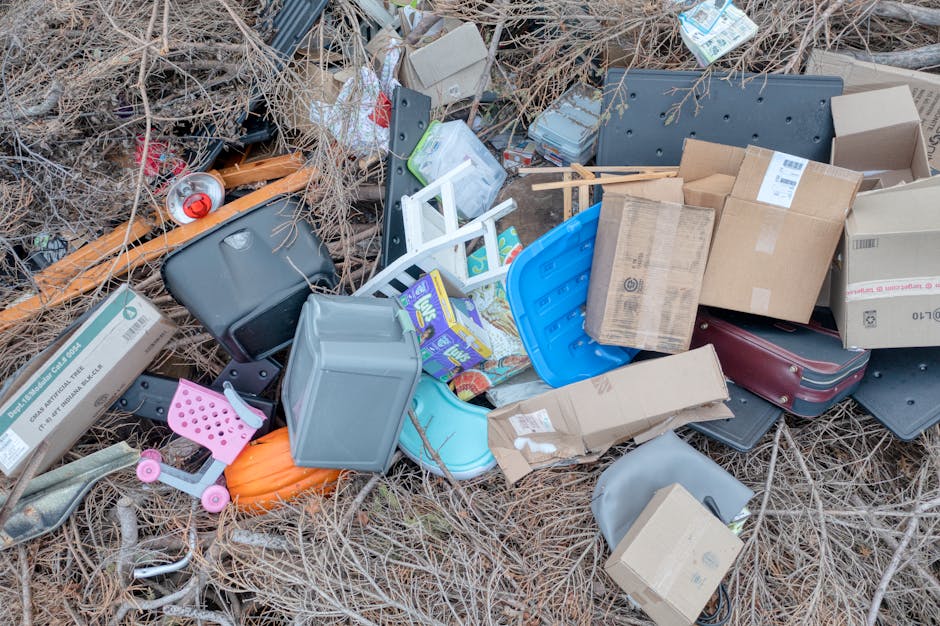
If you live, work, or run a property in Alperton, the subject of illegal dumping can turn from a nuisance into a very expensive problem fast. A mattress left by a bin store, a heap of builders' rubble on a pavement corner, or a pile of black bags tipped after dark may look like "someone else's issue" at first glance. In reality, it can lead to fines, enforcement action, clean-up costs, and a lot of stress.
This guide explains fines for illegal dumping in Alperton: what you must know in plain English. You'll learn how the issue is usually handled, what makes it risky, what to do if waste appears outside your property, and how to avoid accidentally getting caught out yourself. We'll also cover practical steps for lawful disposal, because let's face it, nobody wants to pay for a mistake that could have been avoided with one sensible decision.
For people who need a clean, compliant way to clear waste, services such as waste removal or builders waste clearance can be the straightforward alternative to risky fly-tipping.
Why Fines for illegal dumping in Alperton: what you must know Matters
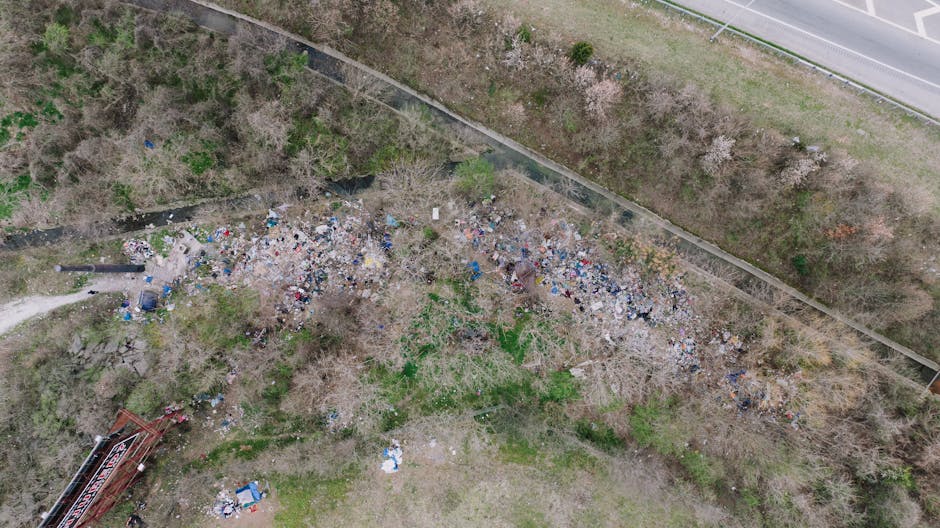
Illegal dumping is not just an eyesore. It can block footpaths, attract pests, create fire risk, and make a neighbourhood feel neglected very quickly. In a busy part of west London like Alperton, even a small fly-tip can cause a ripple effect: residents complain, businesses get blamed, and landlords or property managers may have to sort out the mess before it grows into a bigger issue.
The main reason this matters is simple: waste law tends to look at responsibility, not excuses. If waste is dumped on or near land connected to you, you may need to show that you took sensible steps to manage it properly. That means keeping records, using reputable disposal routes, and acting fast if something appears suspicious.
There is also the practical side. A single incident can lead to more than one cost: enforcement attention, labour for removal, possible disposal fees, and the time spent dealing with reports, photographs, and back-and-forth with contractors or neighbours. It sounds dull. It is dull. But the bill can be anything but dull.
If you manage a business premises, a shared building, or a rental property, the risk grows because multiple people may use the space. That's why services like business waste removal and office clearance are worth considering when waste volumes are regular or mixed.
How Fines for illegal dumping in Alperton: what you must know Works
In practice, illegal dumping is usually handled through enforcement, evidence, and responsibility checks. The local authority or other enforcement bodies may investigate where the waste came from, who may have placed it there, and whether any person or business failed in their duty to manage waste properly.
It often starts with a complaint or a report. If the waste is on public land, crews may inspect the site, document the material, and look for clues such as addressed packaging, invoices, labels, or dumped construction debris. If the waste is on private land, the landowner, landlord, or managing agent may still need to arrange removal. The issue is not always who owns the land; sometimes it is who had control of the waste or failed to secure it.
Fines can vary depending on the circumstances. In plain terms, a small one-off incident may be treated differently from repeated dumping, deliberate fly-tipping, or waste linked to commercial activity. The more serious the case, the more likely it is to escalate. And yes, the paperwork can feel like a mountain of its own.
One thing people miss: proving that you used a responsible disposal route can matter a great deal. If you paid someone cash-in-hand to take rubbish away and never checked their credentials, you may find yourself with no real protection if that waste later turns up dumped in a layby or side street. That is exactly the sort of scenario that causes avoidable pain.
Key Benefits and Practical Advantages
Staying on the right side of waste rules is not just about avoiding trouble. There are some clear day-to-day advantages too.
- Lower financial risk: You avoid fines, clean-up charges, and the knock-on costs of an enforcement case.
- Less disruption: Proper disposal keeps your home, business, or site clear and usable.
- Better neighbour relations: Nobody enjoys being the address where rubbish seems to collect.
- More predictable planning: With scheduled collections or proper clearance, waste doesn't become a last-minute headache.
- Stronger record-keeping: Good paperwork helps if a question ever comes up later.
There is also a quieter benefit: peace of mind. You stop wondering whether that pile in the corner, or the contractor you hired on a rush job, is going to create a problem down the line. That alone is worth something.
For larger clear-outs, especially in homes or rented flats, services like home clearance, house clearance, and flat clearance can help you deal with bulky items properly instead of leaving them awkwardly outside for "a day or two". Those two days often become two weeks.
Who This Is For and When It Makes Sense
This topic matters to more people than you might think. If you're a homeowner clearing out the garage, a landlord handling tenant waste, a business owner with periodic rubbish, or a contractor managing construction debris, you are part of the picture.
It also matters if you are:
- moving out and want to leave a property tidy
- clearing a garden after landscaping work
- disposing of old furniture or broken appliances
- managing a loft, garage, or outbuilding full of accumulated items
- responsible for a commercial unit, shared block, or office space
For garden-related waste, a proper route such as garden clearance can be much safer than leaving sacks or branches near a communal bin area. For renovation jobs, builders waste clearance is often the more sensible answer than trying to handle everything in staged weekend trips.
When does it make sense to think about fines? Honestly, the moment you are tempted to "just leave it there until tomorrow." That little phrase is where many avoidable problems begin.
Step-by-Step Guidance
If you want to reduce the chance of illegal dumping issues, use a simple process. Nothing flashy. Just consistent habits.
- Identify the waste properly. Separate household rubbish, recyclable materials, furniture, electricals, garden waste, and construction debris. Mixed piles are harder to handle and easier to mismanage.
- Check whether it needs special handling. Paints, oils, fridges, mattresses, and some electrical items can require extra care. Don't guess if you're unsure.
- Choose a lawful disposal route. Use council services where suitable, or a reputable clearance provider for bulky or time-sensitive jobs.
- Keep a basic record. Save receipts, photos, or messages that show when the waste was taken away and by whom.
- Secure waste until collection. Put bags and items somewhere they cannot be mistaken for abandoned rubbish or easily picked over.
- Act quickly if waste appears outside your property. Photograph it, note the time, and report it through the proper channel if needed.
- Arrange removal before it spreads. A small pile becomes a bigger pile remarkably quickly, especially in wet weather. London rain has a way of making everything look twice as grim.
If you're dealing with a one-off clear-out, consider checking pricing and quotes so you can compare the likely cost of proper disposal with the much uglier cost of getting it wrong.
Expert Tips for Better Results
Here's the practical side that people often overlook.
First, don't rely on a verbal promise alone. If someone says they will "sort it out" or "take it to the tip," make sure the arrangement is credible and documented. A missing paper trail can become a real problem later.
Second, separate waste before collection. It saves time, but more importantly, it reduces confusion. A tidy stack of cardboard is easier to defend than an anonymous mixed mound of rubbish that looks abandoned.
Third, if you're a landlord or manager, build a standard process. Tell tenants, staff, or contractors where waste goes, when collections happen, and what they must not leave behind. A short written instruction can prevent a surprisingly costly mess.
Fourth, think about access. Narrow entrances, stairwells, shared entrances, or awkward parking can make waste handling more likely to slip into "temporary storage" mode. That temporary pile? It can turn into a complaint by morning.
Fifth, use services that match the job. For larger property tidy-ups, furniture clearance and furniture disposal are often much more efficient than multiple small trips in a private vehicle.
Common Mistakes to Avoid
A lot of illegal dumping cases start with ordinary mistakes, not bad intentions. That's the annoying truth of it.
- Leaving waste beside a full bin: It may feel harmless, but it often counts as abandoned waste if it is left in the wrong place.
- Hiring the cheapest unknown collector: If they dump it later, the headache may come back to you.
- Assuming someone else will tidy it up: Shared spaces need clear responsibility, or nobody acts.
- Mixing commercial and domestic waste: Different waste streams can trigger different handling expectations.
- Ignoring small piles: One bag becomes three, then a mattress turns up, then half a wardrobe. It happens.
- Not keeping records: Without proof, it's much harder to show you acted responsibly.
Another common one: people leave items "just for one night" outside a property and assume that is fine. Sometimes it is not. If a passer-by adds to the pile, or weather scatters bags, the situation can look a lot worse by the next morning. You can probably picture it already.
Tools, Resources and Recommendations
You do not need a complicated system to manage waste properly. A few simple tools go a long way.
- Phone camera: Use it to document the condition of waste, collection points, and any suspicious dumping.
- Basic file or folder: Keep receipts, job notes, and messages together so nothing gets lost.
- Labels or tape: Useful for identifying items that should stay with a specific room, tenant, or project.
- Bins with lids or secure staging areas: Helps avoid confusion and accidental over-spill.
- Trusted clearance provider: Particularly useful for bulky, mixed, or urgent waste.
For properties that need more than a one-off collection, it can help to map out the bigger picture. For example, loft clearance can uncover years of stored items, while garage clearance often surfaces paint tins, broken furniture, and odd bits that should not be left out indefinitely.
If you value sustainability, the page on recycling and sustainability is a helpful reminder that lawful disposal and responsible resource handling should go together. That is the direction most good waste practice is moving in, and rightly so.
Law, Compliance, Standards, or Best Practice
Without pretending to give legal advice, the basic principle is straightforward: waste should be stored, moved, and disposed of responsibly, and people with control of waste should take reasonable care over where it ends up. In the UK, that generally means using legitimate disposal routes, keeping evidence of transfer when appropriate, and avoiding any arrangement that looks informal or uncertain.
For businesses, the standard is usually higher in practice. Commercial waste should be handled in a controlled way, and staff should know what to do with it. A bin area with no clear process can become a magnet for complaints. In shared buildings, that issue gets messy very quickly.
Best practice usually includes:
- clear instructions for staff, residents, or contractors
- timely removal of bulky items
- proof of lawful disposal where relevant
- secure storage before collection
- prompt action if fly-tipping is spotted
It is also sensible to use a provider that is open about process, safety, and payment. Pages such as health and safety policy, insurance and safety, and payment and security can help you judge whether a company takes those basics seriously.
If you need to understand how terms and service conditions are handled, it is also worth reading the site's terms and conditions. Small print is not exciting. But it matters, sometimes more than people want to admit.
Options, Methods, or Comparison Table
When people are deciding how to deal with waste in Alperton, the choice usually comes down to a few practical methods. Here is a simple comparison.
| Option | Best for | Main upside | Main risk |
|---|---|---|---|
| Local authority disposal route | Smaller, routine household waste | Familiar and usually straightforward | Not always suitable for bulky or mixed items |
| Self-transport to an approved facility | People with access to transport and time | Direct control over the process | Can be awkward, time-consuming, and physically demanding |
| Professional waste removal | Bulky, urgent, or mixed waste | Convenience and speed | Cost varies, so check the scope clearly |
| Unverified informal collector | Nothing, really | Often appears cheap at first | Highest risk of fly-tipping and compliance trouble |
The last line is the one to avoid. Cheap can become expensive in a hurry.
Case Study or Real-World Example
Imagine a small letting property in Alperton after a tenant moves out. There's a broken wardrobe, a mattress, and a few sacks of mixed rubbish left in the communal yard. The landlord is busy, the agent is waiting for photos, and everyone assumes someone else will deal with it. By the next day, another bag has appeared and a box of old packaging has been added. Not by magic, just by opportunity.
The sensible response is simple: document the waste, arrange lawful removal promptly, and keep a record of what happened. If the items are bulky, a service such as house clearance or flat clearance can clear the site in one go and reduce the chance of the pile being treated as abandoned waste.
In that kind of scenario, speed matters, but so does clarity. If the waste sits there for days, the original issue gets blurred. A quick, tidy intervention usually looks better, feels better, and avoids the "who left this here?" conversation that nobody enjoys.
Practical Checklist
Use this before you leave waste out, arrange a collection, or react to dumped rubbish.
- Have I identified exactly what the waste is?
- Do I know whether any item needs special handling?
- Have I chosen a lawful disposal route?
- Do I have evidence of the collection or disposal arrangement?
- Is the waste stored securely until removal?
- Have I informed anyone else who needs to know?
- If waste has been dumped, have I photographed it and noted the time?
- Have I arranged prompt removal before the pile grows?
- Do I need a service for bulky items, such as furniture or garden waste?
- Have I checked the provider's terms, safety, and payment information?
If you can tick those off, you are already ahead of many people. It sounds simple because it is simple. The trick is doing it every time, not just when things feel urgent.
Get a free quote today and see how much you can save.
Conclusion
Understanding fines for illegal dumping in Alperton: what you must know is really about protecting yourself from unnecessary risk. The rules are there to stop waste being abandoned, but the practical lesson is broader: dispose of rubbish properly, keep proof where appropriate, and act quickly if something appears out of place.
For households, landlords, and businesses alike, the safest approach is usually the boring one. Plan the clearance, choose a reputable route, and don't leave waste hanging around "for later." Later has a habit of becoming expensive.
If you stay organised, the whole process becomes less stressful, more predictable, and a lot easier to defend if questions ever come up. That's the real win here.
And honestly, a clean yard, tidy pavement, or clear office space just feels better on a grey morning in Alperton. Small thing, maybe. But it matters.
Frequently Asked Questions
What counts as illegal dumping in Alperton?
Illegal dumping usually means leaving waste where it should not be left, or disposing of it without proper authority or responsibility. That can include bags, furniture, construction debris, garden waste, or mixed rubbish placed on public or private land without permission.
Can I be fined if someone else dumps waste near my property?
Possibly, depending on the circumstances and whether you had control over the waste or land. If rubbish appears near your property, it is wise to document it quickly and report it through the appropriate route rather than assuming it will sort itself out.
How do I reduce the risk of getting blamed for fly-tipping?
Keep records, use a reputable disposal route, and avoid informal arrangements with unknown collectors. If you store waste before collection, keep it secure and clearly separate from anything that looks abandoned.
Are businesses treated differently from households?
In practice, yes, often. Businesses are usually expected to manage waste more systematically, especially if waste is generated regularly. Clear procedures, records, and proper collection arrangements matter a lot.
What should I do if I find dumped waste outside my building?
Take photos, note the location and time, and report it using the proper local route if needed. If the waste is hazardous, do not handle it casually. Safer to step back and get advice than to poke around in a torn bag, to be fair.
Is it enough to leave rubbish next to a bin if it is full?
Usually not. If waste is left beside a full bin, it may still be treated as abandoned waste. Arrange an alternative disposal method or a proper collection rather than using the pavement as a backup storage area.
What kind of waste is most likely to cause problems?
Bulky items, mixed waste, construction debris, mattresses, and anything left near shared spaces often cause the most trouble. They are harder to manage, more visible, and more likely to trigger complaints.
Do I need proof when I pay someone to take waste away?
Yes, it is sensible to keep proof. A receipt, message, or other record can help show that you took reasonable steps. Without it, you may have little to rely on if the waste later turns up somewhere it should not.
What is the safest option for a large clear-out?
For bulky or mixed waste, a professional clearance service is often the safest and least stressful option. It can be especially helpful for jobs like garage, loft, furniture, or house clearances where items build up quickly.
How fast should dumped waste be removed?
As quickly as practical. The longer waste sits there, the more likely it is to attract attention, be added to, or become a nuisance. Fast action usually makes the situation easier to manage.
Where can I get help with lawful waste disposal?
Look for a provider that explains its process clearly, offers suitable clearance options, and is transparent about safety and payment. If you need a bigger-scale clear-out, services like waste removal, business waste removal, or builders waste clearance may be the practical next step.
Should I keep any documents after a clearance?
Yes. Keep receipts, notes, messages, or any paperwork connected to the collection. Good records are a small habit that can save a lot of hassle later, and they're surprisingly reassuring when you need them.
Can a tidy-up service help with compliance?
Absolutely. Proper clearance reduces the chance of waste being left in the wrong place and helps you stay organised. For many people, that's the difference between a clean finish and a lingering problem that keeps coming back.