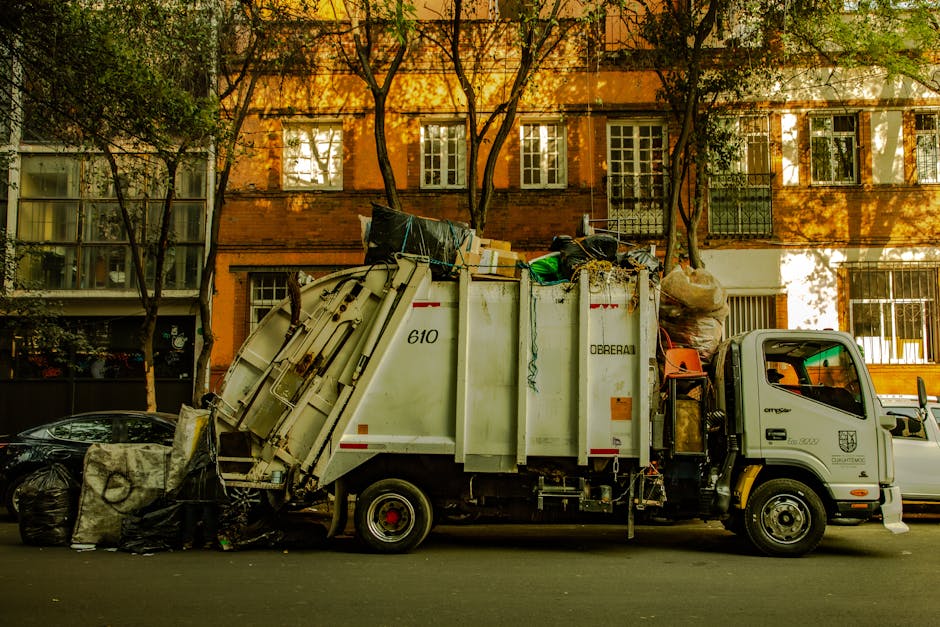
Report and remove fly-tipped waste on Ealing Road, Alperton
Fly-tipped waste is one of those problems that can turn a busy street into a frustrating mess fast. On Ealing Road, Alperton, it may be a dumped sofa, a heap of black bags, builders' rubble left after dark, or a mix of broken household items spilling onto the pavement. Whatever the pile looks like, the job is usually the same: report and remove fly-tipped waste on Ealing Road, Alperton quickly, safely, and without creating more hassle than necessary.
This guide explains how fly-tipping is reported, what happens next, and how to arrange proper clearance when the waste needs to go now rather than later. It also covers the practical realities people face on a street like Ealing Road: foot traffic, shopfronts, tight access, awkward loading, and that slightly sinking feeling when a rubbish pile seems to grow overnight. Truth be told, it is rarely just about getting rid of rubbish. It is about restoring order, keeping the area safe, and handling the aftermath in a sensible way.
If you need broader support beyond one-off removal, you may also find the services on waste removal, builders' waste clearance, or business waste removal useful depending on the type of waste involved.
Table of Contents
- Why Report and remove fly-tipped waste on Ealing Road, Alperton Matters
- How Report and remove fly-tipped waste on Ealing Road, Alperton Works
- Key Benefits and Practical Advantages
- Who This Is For and When It Makes Sense
- Step-by-Step Guidance
- Expert Tips for Better Results
- Common Mistakes to Avoid
- Tools, Resources and Recommendations
- Law, Compliance, Standards, or Best Practice
- Options, Methods, or Comparison Table
- Case Study or Real-World Example
- Practical Checklist
- Conclusion
- Frequently Asked Questions
Why Report and remove fly-tipped waste on Ealing Road, Alperton Matters
Fly-tipped waste is more than an eyesore. On a road like Ealing Road, where people are walking, shopping, parking, unloading, and moving through constantly, dumped waste can get in the way quickly. A broken mattress or sharp-edged debris can force pedestrians into the road. Food waste or household rubbish attracts pests. Bagged waste left outside can split open after a bit of rain and wind, and then the whole area starts looking neglected.
There is also a social side to it. If one pile sits there too long, more waste often follows. That is a pattern many local people will recognise. One bag becomes four, then a sofa, then somehow a half-dismantled cupboard. It is not unusual, and it is exactly why prompt action matters. The quicker the fly tip is reported and removed, the less likely it is to spread or become normalised.
For residents and businesses, the impact is very practical. Shopkeepers may worry about customers stepping around the mess. Landlords may need to protect a vacant property. Homeowners may simply want the street outside to feel decent again. That is fair enough. You shouldn't have to put up with someone else's shortcut.
There is a cost to delay as well. Waste left in place can become heavier, wetter, and harder to move. Materials can break down, cardboard gets soggy, and items can become contaminated. In other words, the longer it sits, the more awkward the cleanup becomes.
Expert summary: The most effective fly-tip response is a two-part process: report it promptly, then arrange safe removal with the right vehicle, handling, and disposal route. Waiting usually makes the job messier.
How Report and remove fly-tipped waste on Ealing Road, Alperton Works
The process usually starts with identifying what has been dumped and whether there is any immediate danger. Not all fly-tipped waste is the same. A small pile of bagged rubbish is different from broken glass, paint tins, chemical containers, or construction debris blocking a driveway. You first look at the risk, then the volume, then the access.
After that comes reporting. If the waste is on public land, the appropriate local reporting route is usually through the responsible council or street-cleaning process. If it is on private land, the landowner or occupier normally needs to arrange removal. In practice, that distinction matters a lot. A pile on a forecourt, yard, or shared access way is not handled in quite the same way as waste left on the pavement.
Once the waste is reported, removal can be organised. If the waste is general household or commercial rubbish, a clearance team can usually load it, sort it, and take it for proper disposal or recycling. If it includes mixed materials, the process takes a bit more care. Furniture may need dismantling. Builders' rubble may need separate handling. Garden waste might be heavier than it looks, especially after a wet night. You know how it goes.
For broader clearances where fly-tipping has happened alongside other clutter, it can help to combine the work with a service such as home clearance, house clearance, or flat clearance if the issue extends inside the property as well.
The important part is that the waste is removed in a way that does not simply shift the problem elsewhere. Proper clearance should include responsible loading, transport, and disposal. That sounds obvious, but let's face it, not every cheap option does that.
Key Benefits and Practical Advantages
When you deal with fly-tipped waste properly, the benefits are immediate and pretty visible. The space looks usable again. The route becomes safer. The smell, if there is one, disappears. And that slightly tense feeling you get when rubbish sits outside your premises for too long starts to lift.
- Better safety: Less trip risk, fewer sharp objects, and fewer blocked pathways.
- Cleaner surroundings: The area feels more looked after and less neglected.
- Reduced pest attraction: Food waste and soft rubbish are less likely to draw rats or insects.
- Faster recovery after an incident: A quick response limits how far the problem spreads.
- Less stress for residents and traders: People can get on with their day without working around a mess.
- More suitable disposal: Mixed waste can be separated and routed responsibly.
There is also a reputational benefit that people often overlook. If you run a business on or near Ealing Road, the appearance of the frontage matters. Customers notice. Deliveries notice. Neighbours notice too. A cleaned-up site tells people that the issue has been dealt with, not ignored.
And if the fly tip is part of a larger clearance, you can often save time by tackling everything in one go rather than booking multiple visits. That is where a service like furniture clearance, furniture disposal, or garage clearance can make a stubborn situation much easier.
Who This Is For and When It Makes Sense
This topic matters to a wide mix of people. If you live on Ealing Road or nearby, fly-tipping outside your home can affect everyday safety and comfort. If you own a shop, takeaway, office, or rental property, dumped waste can create a poor first impression in minutes. If you manage a building, the responsibility can feel oddly personal even when the rubbish is not yours. Annoying, really.
It also makes sense for people dealing with different kinds of waste that have ended up in the wrong place. For example, a builder may find someone has added unrelated rubbish to a skip area. A landlord may discover items dumped in a rear alley. A business may notice black bags left outside after hours. Each case needs a slightly different response, but the principle is the same: assess, report, remove.
Here are the situations where prompt action is usually sensible:
- The waste is blocking access or creating a hazard.
- There are sharp, heavy, or unstable items involved.
- The rubbish is attracting pests or creating strong odours.
- The site is public-facing and appearance matters.
- The waste includes mixed materials that need sorting.
- You need a discreet clearance and want to avoid disruption.
In some cases, what looks like fly-tipping is actually an abandoned clearance from a previous occupier or contractor. That distinction matters because it affects who arranges removal and how quickly the work should happen. If you are unsure, treat it as a practical problem first and sort the paperwork after. Safe, calm, tidy. That order helps.
Step-by-Step Guidance
If you want a simple way to handle the issue, use this sequence. It keeps things organised and avoids a lot of back-and-forth.
- Check for immediate danger. Look for broken glass, needles, chemical containers, blocked exits, or anything unstable.
- Do not disturb hazardous items. If something looks risky, keep clear and avoid moving it by hand.
- Document the scene. A few clear photos can help you explain the size, type, and position of the waste.
- Identify whether the waste is on public or private land. This affects who should take the next step.
- Report the fly tip using the correct local route. If you are the landowner or occupier, arrange removal promptly.
- Choose the right clearance method. A small rubbish pile may need one vehicle; mixed or bulky items may need a larger load.
- Separate reusable or recyclable items where sensible. This can reduce waste going to disposal.
- Schedule removal at a practical time. Early mornings or quieter windows are often easier on a busy road.
- Inspect after collection. Check the ground for broken fragments, liquid stains, or leftover debris.
- Put prevention measures in place. Better lighting, signage, lockable access, or regular checks can reduce repeat dumping.
A small note from real-world experience: even when the main pile looks manageable, there is often a second layer hiding underneath. Soggy cardboard. Mixed scrap. A bag of unknown contents. The photos never tell the whole story, do they?
Expert Tips for Better Results
Good fly-tip removal is not just about lifting rubbish into a vehicle. It is about making sure the whole job is handled cleanly and with minimal fuss. A few practical habits make a noticeable difference.
- Take a close look before booking. Volumes can be deceiving from the pavement.
- Group similar waste types together if safe to do so. For example, timber, bagged rubbish, and metal may be easier to move separately.
- Use access information early. Narrow rear lanes, basement steps, or shared entrances can affect the plan.
- Ask about disposal routes. Reputable clearance should favour reuse and recycling where possible.
- Keep neighbours informed if the site is shared. A simple heads-up helps avoid confusion.
- Book before the waste spreads. Wind, rain, and passing footfall can turn a neat pile into a proper nuisance.
If the waste came from a renovation or strip-out, it may be worth reviewing related services such as builders' waste clearance or loft clearance if the problem was tied to a larger property clear-out. It saves time when the issue is bigger than one pile on the road.
Another useful habit: always ask yourself, what happens after the waste is removed? If the area is left open, dark, or easy to access, it can happen again. Prevention is boring, yes, but it works.
Common Mistakes to Avoid
People often try to deal with fly-tipping quickly, which is understandable. But quick action and careless action are not the same thing. A few mistakes come up again and again.
- Moving unknown waste without checking it first. Hidden needles, chemicals, or broken material can cause injuries.
- Leaving the pile for "one more day." It usually gets worse, not better.
- Assuming all waste can be treated the same way. Mixed rubbish, furniture, and rubble often need different handling.
- Ignoring access problems. A clearance truck may not reach the waste if a route is blocked or too narrow.
- Using a poor disposal route. Responsible removal matters; dumping the problem elsewhere only creates another one.
- Forgetting the follow-up. If the site is easy to re-dump, the issue can return.
One small but important point: do not let the visible mess distract you from the edges of the site. A few loose bits, spilled bag contents, or broken packaging along the kerb can make a place look unfinished even after the main pile is gone. It is a tiny thing, but people notice it.
Tools, Resources and Recommendations
You do not need a massive toolkit to deal with fly-tipped waste well, but a few practical items and habits help a lot. For householders and site managers alike, the basics are similar.
- Camera or phone: useful for recording the condition before removal.
- Gloves and sturdy footwear: only if you are safely inspecting non-hazardous material.
- Simple site notes: record what was found, where, and when.
- Barrier tape or temporary marking: helps keep people away from unstable waste.
- Bin bags or containers for safe small-scale containment: only where appropriate and low-risk.
- Clear access route: make loading easier and quicker.
For people who want a fuller clearance rather than just a one-off collection, it can help to look at garden clearance for outdoor mess, or home clearance if clutter inside the property has become part of the issue. A lot of real jobs are mixed, not neat little categories. That is just how it is.
If you are comparing options, the pages for pricing and quotes and recycling and sustainability can also help you think through value and disposal approach before booking.
Law, Compliance, Standards, or Best Practice
Fly-tipping is not simply a tidiness issue. In the UK, waste has to be handled responsibly, and the person arranging removal should be careful about how waste is collected, transported, and documented. If you are a business, property manager, or landlord, that matters even more because you may have duties around waste storage, duty of care, and ensuring waste goes to the right place.
To keep things on the safe side, best practice usually means:
- using a legitimate waste carrier or clearance provider;
- keeping basic records of what was removed;
- separating hazardous items from general waste where possible;
- avoiding any handling that could expose people to injury or contamination;
- making sure disposal and recycling are carried out properly.
If the waste looks suspicious, contains chemicals, or includes sharps, the safest move is to leave it alone and let trained people handle it. The same goes for large, heavy, or unstable objects. There is no prize for trying to be heroic with a broken wardrobe at 8 a.m. on a wet street.
Where businesses are involved, you should also think about how waste is stored before collection. Overflowing bins, unsecured bags, and badly managed rear yards can invite more dumping. It is a small operational thing, but it makes a difference.
Options, Methods, or Comparison Table
There are a few ways people tackle fly-tipped waste on Ealing Road, and the right one depends on the scale, location, and urgency of the problem. Here is a simple comparison.
| Method | Best for | Pros | Limitations |
|---|---|---|---|
| Report only | Waste on public land that needs official attention | Correct first step, especially when the issue is not yours to move | May not remove the waste immediately |
| DIY removal | Very small, safe, non-hazardous waste on private land | Fast and low-cost if the waste is simple | Risky for bulky, sharp, or mixed waste; disposal still has to be proper |
| Professional clearance | Bulky, mixed, repeated, or time-sensitive fly tips | Efficient, safer, better for access and disposal | Needs planning and a clear brief |
| Combined property clearance | Fly-tipping alongside household, office, or garden clutter | One coordinated visit, less disruption overall | Can take longer if there is a lot of sorting to do |
In most real situations, especially on a busy road, professional clearance wins on practicality. DIY sounds fine until you realise the pile is heavier than expected, the bags are split, and you have nowhere sensible to put the rubbish before transport. Been there, seen that.
Case Study or Real-World Example
A shop manager on Ealing Road notices a pile of mixed waste outside a rear access point early in the morning: a broken chair, two bags of rubbish, some cardboard, and a few loose bits of timber. It is blocking part of the alley and making deliveries awkward. The manager photographs the scene, checks that nothing hazardous is visible, and confirms the waste is on private access land rather than the public pavement.
Rather than waiting, they arrange a clearance visit for later the same day. The team arrives with the right tools, separates the lighter items from the heavier ones, and clears the area without disrupting customers. The remaining fragments are swept up, and the access point is left usable again before the evening rush. Nothing dramatic. Just calm, sensible action.
What made the difference? Three things: quick reporting, clear access information, and choosing removal rather than leaving the pile to linger. That is usually how the best outcomes happen. Not with magic, just with decent timing.
Practical Checklist
Use this checklist when you need to report and remove fly-tipped waste on Ealing Road, Alperton.
- Identify whether the waste is on public or private land.
- Check for hazards such as glass, chemicals, needles, or unstable items.
- Take clear photos for your records.
- Do not touch anything risky or unknown.
- Decide whether the waste needs reporting, removal, or both.
- Think about access for loading and transport.
- Separate recyclable or reusable material where safe to do so.
- Book a suitable clearance method for the type and volume of waste.
- Inspect the site after removal to make sure the area is fully clear.
- Put prevention steps in place to reduce repeat dumping.
This may sound simple, but simple is good. Simple is what you want when the pavement is blocked and everyone is trying to get on with their day.
Conclusion
To report and remove fly-tipped waste on Ealing Road, Alperton, the aim is straightforward: deal with the problem quickly, safely, and in a way that leaves the space genuinely better than before. The strongest approach is a practical one. Check for risk, record what you can, report the issue correctly, and arrange removal that fits the waste rather than forcing the waste into a one-size-fits-all fix.
For residents, landlords, and businesses, that usually means less stress, less disruption, and a cleaner street presence. For busy local roads, that matters more than people sometimes admit. A tidy frontage changes how a place feels. It changes how people use it. And yes, it helps people breathe a little easier too.
Get a free quote today and see how much you can save.
If you want to speak with a local team about a clearance, you can also review the company background on about us or use the main contact page to arrange the next step. When the mess is gone, the street feels better almost immediately. That part never gets old.
Frequently Asked Questions
What counts as fly-tipped waste on Ealing Road, Alperton?
Fly-tipped waste is rubbish dumped somewhere it should not be, such as on a pavement, in a rear alley, beside a property, or on private land without permission. It can include bags, furniture, rubble, appliances, or mixed household waste.
Should I move the waste myself?
Only if it is clearly safe, small, and non-hazardous. If there is any sign of sharps, chemicals, broken glass, or heavy items, leave it alone and arrange proper removal. A quick look is fine; handling unknown waste is not worth the risk.
What should I do first when I find fly-tipped rubbish?
Check for danger, take a few photos, and work out whether the waste is on public or private land. Then report it through the appropriate route and arrange removal if it is your responsibility.
How quickly should fly-tipped waste be removed?
As quickly as possible, especially if it is blocking access, attracting pests, or creating a hazard. The longer it stays, the more likely it is to spread, smell, or become harder to clear.
Can fly-tipped waste include bulky furniture?
Yes. Sofas, chairs, wardrobes, mattresses, and other large items are common in fly tips. These usually need a proper loading plan and safe transport, not just a quick bag-up.
What if the waste is mixed with builders' rubble?
Mixed waste often needs more careful handling because the materials are heavier and may need separating. In those cases, builders' waste clearance is usually more suitable than treating it like ordinary household rubbish.
Is it better to report the waste or remove it straight away?
Often both are needed, but the order depends on the land type and the risk. If it is on public land, reporting matters. If it is on private land and you are responsible for it, removal should be arranged promptly.
What if the fly-tipped waste keeps coming back?
That usually means the site is too easy to access or not being monitored closely enough. Better lighting, more frequent checks, clearer barriers, and faster removal can help reduce repeat dumping.
Can a clearance service handle garden waste as well?
Yes, if the waste is suitable and safe to remove. Garden waste often includes branches, soil, bags of cuttings, broken fence panels, and old outdoor items. It can be surprisingly heavy, especially after rain.
How do I know if I need professional help?
If the pile is bulky, awkward, dirty, repeated, or potentially hazardous, professional help is usually the sensible choice. It saves time, reduces risk, and makes disposal much easier to manage properly.
Do businesses have different responsibilities from residents?
Generally, yes. Businesses, landlords, and property managers often have extra duty-of-care considerations around waste storage, keeping records, and ensuring removal is handled properly. If you manage a commercial site, it is worth being especially organised.
What service should I look at if the fly tip is part of a bigger clear-out?
If the issue is linked to clutter inside a property, a broader service such as house clearance, home clearance, or office clearance may be more efficient than treating the waste as a stand-alone job. The right choice depends on what is actually there, not just what is visible from the street.